French School
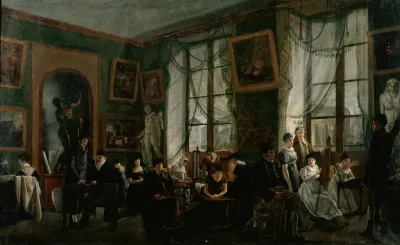
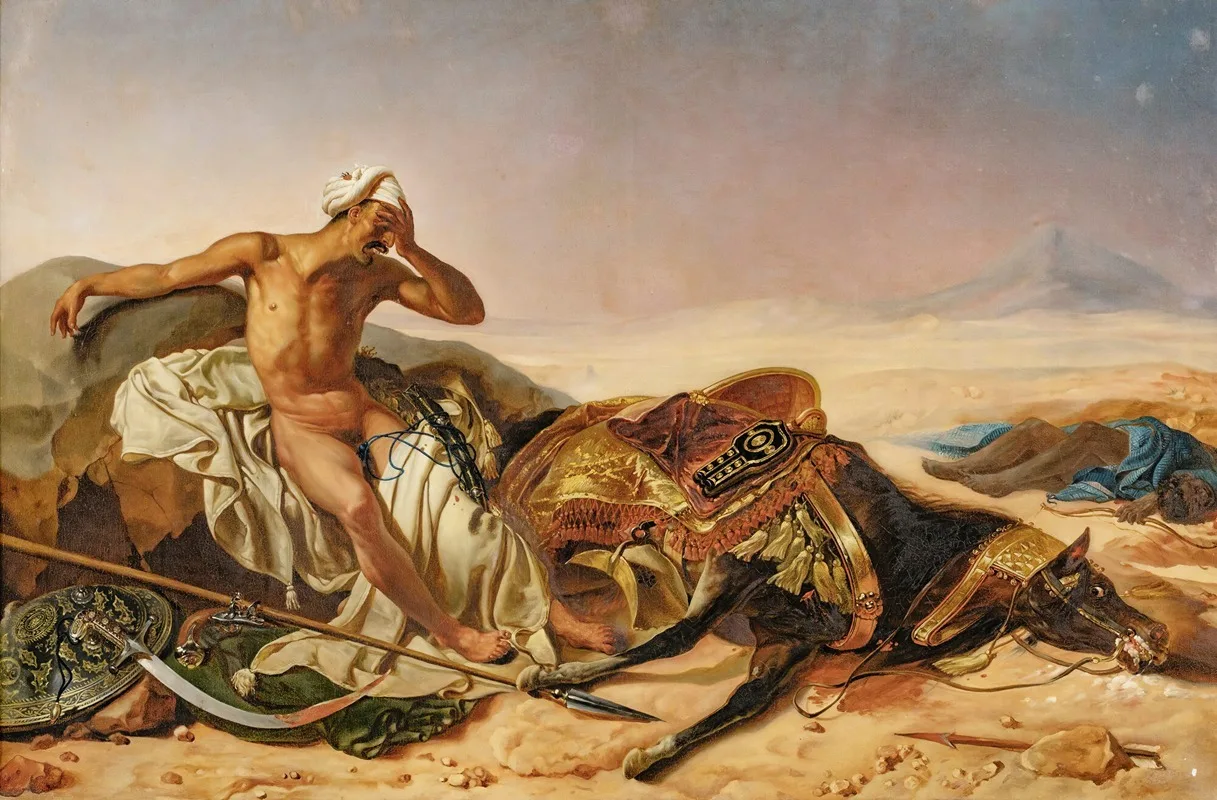
ARTISTThe development of art in France is a varied journey through time that begins in the 11th century. The monastic abbey of Cluny in beautiful Burgundy is considered the starting point for ecclesiastical art in France. The churches of the country are decorated with art artifacts, which are characterized by a clear, reduced and rather objective style. The images of the saints were used in windows, on carpets and in tapestries. The art of embroidery was perfected in France. The depiction of the Conquest of England is now protected by UNESCO and is a unique relic of cultural history. The Renaissance marked the beginning of a period of renewal that extended to all areas of art. Leonardo da Vinci became the king's first painter and architect and influenced the art scene to an unprecedented degree. French art underwent an incredible transformation. While art in France was only of regional interest until the early 17th century, French artists became the dominant force in the European art scene. At the same time, painting changed from classical academic execution to an art that was steadily influenced by modern components.
more