Giovanni Battista Piranesi
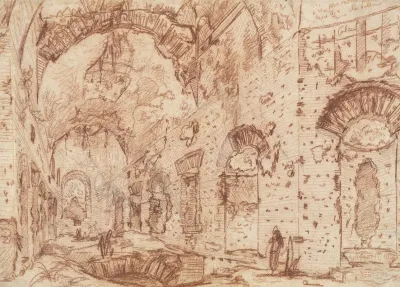
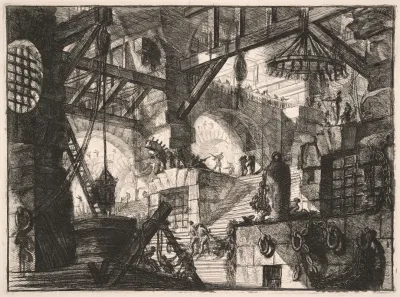
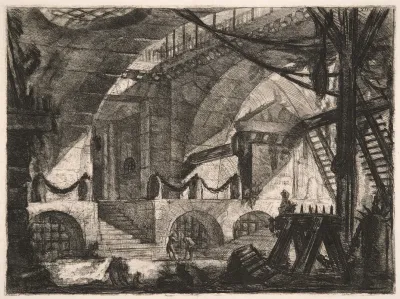
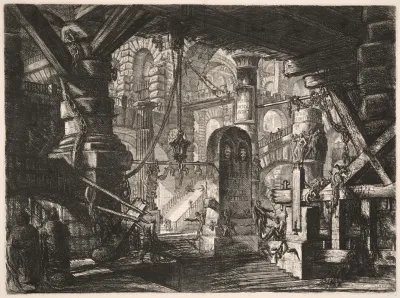
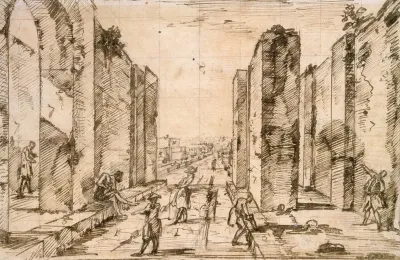
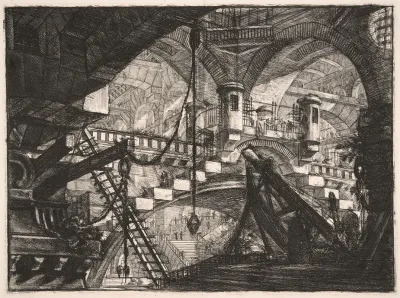
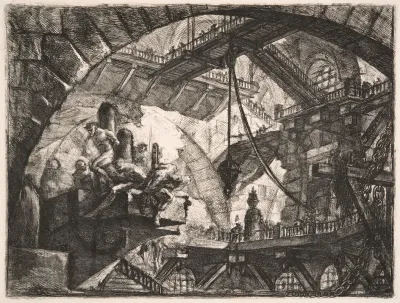
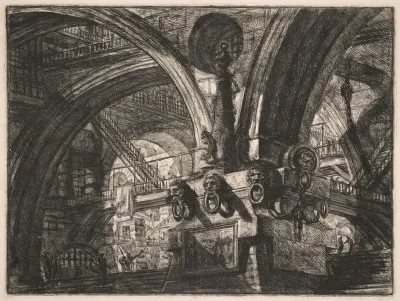
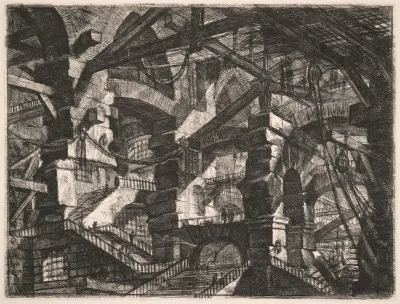
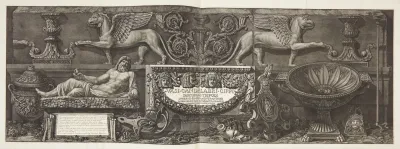
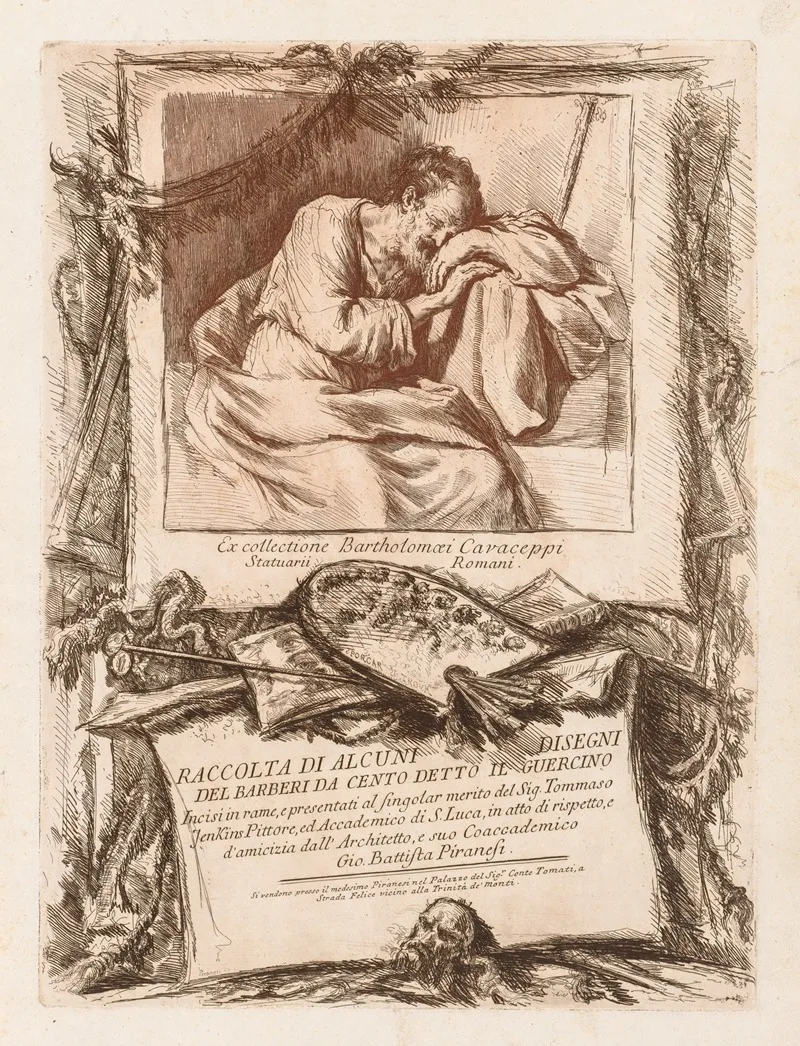
ARTISTGiovanni Battista Piranesi (1720-1778) trained as an architect in Venice but built almost nothing. He moved to Rome and spent his life etching it instead. The Vedute di Roma, sold to visitors on the Grand Tour, shaped how Europe pictured the ancient city for two centuries, exaggerating scale until ruins loom over the figures beneath them. His Carceri d'Invenzione, the imaginary prisons, abandon the real city entirely for vast interiors of stairs and chains that lead nowhere, and they were read a century later as a forerunner of Romantic and Surrealist space. He was also a fierce polemicist, arguing in print that Roman architecture owed nothing to the Greeks. This archive holds high-resolution scans of his etchings, free to preview and available as originals for printing.
more