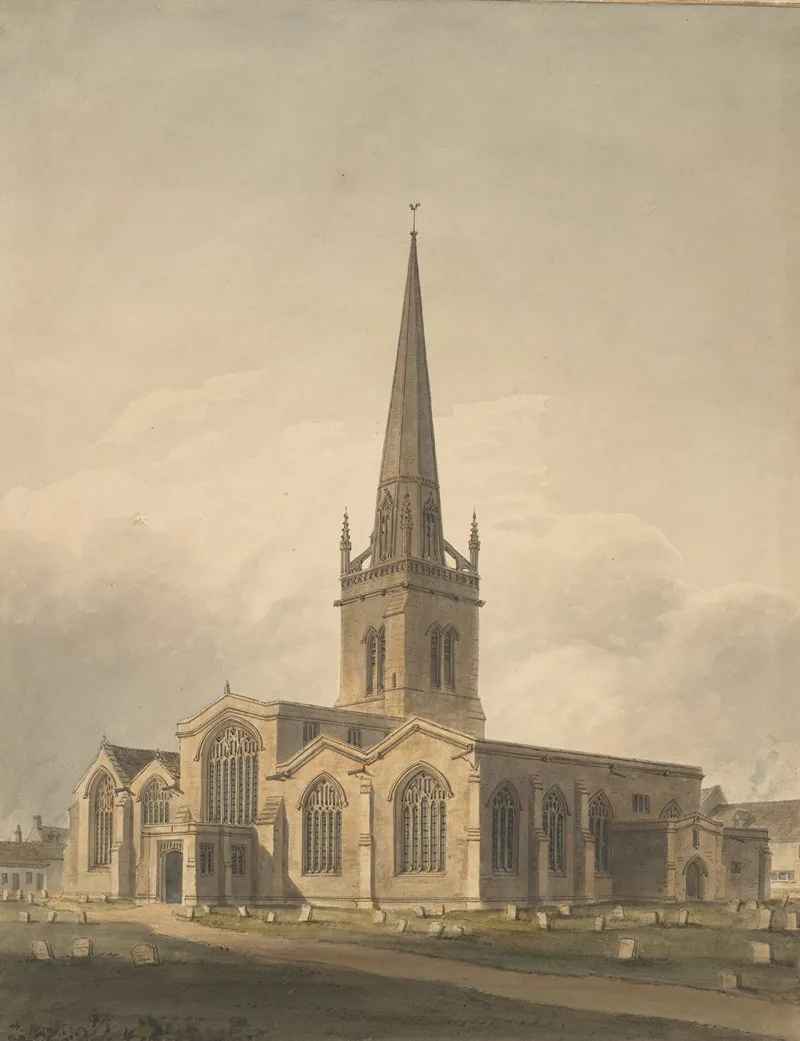
John Buckler
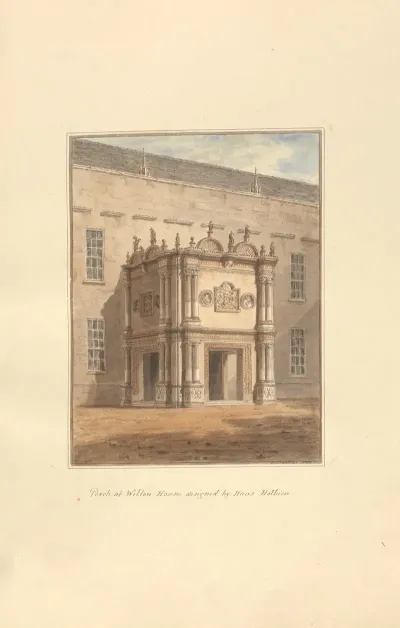
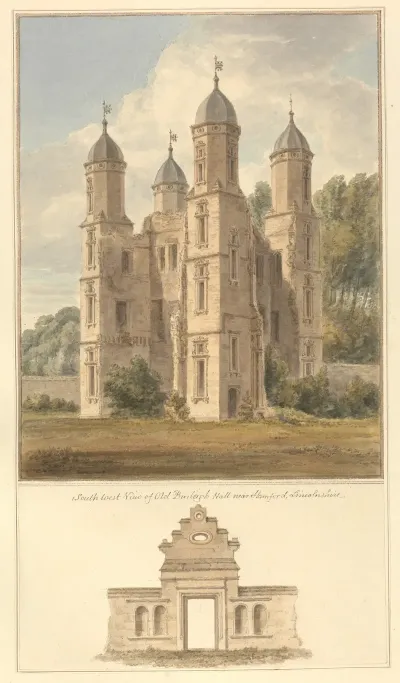
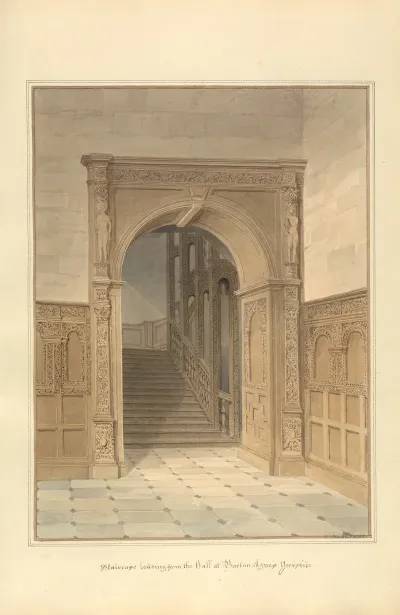
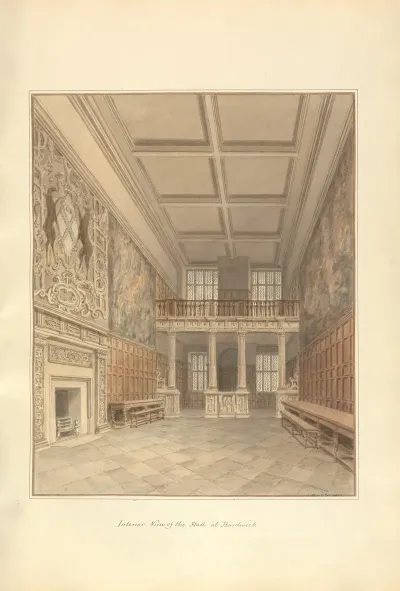
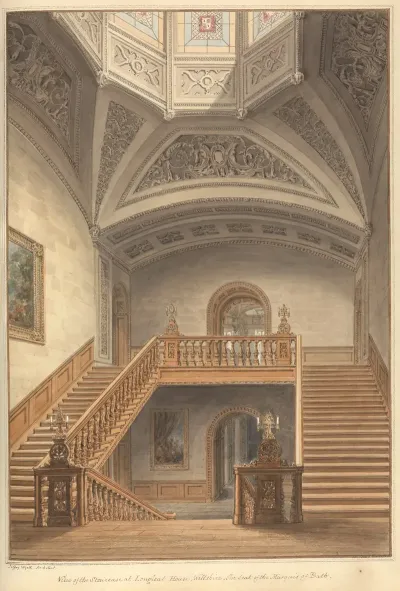
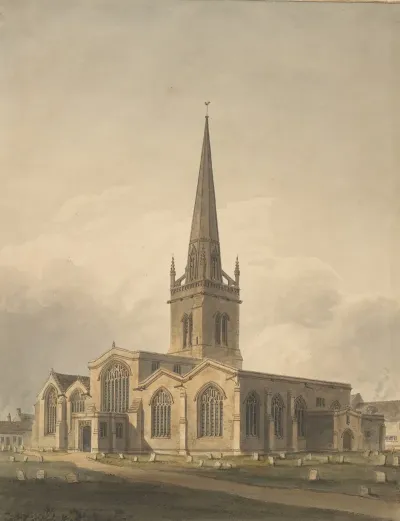
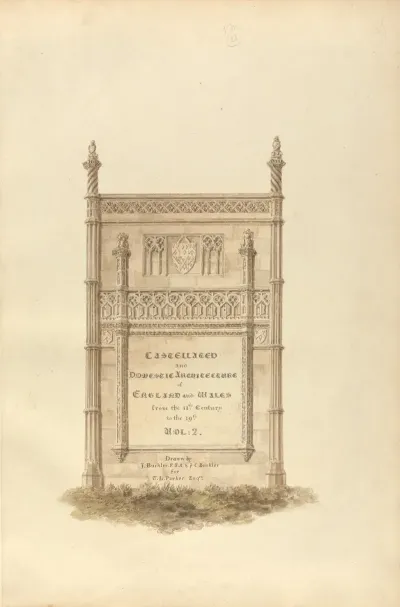
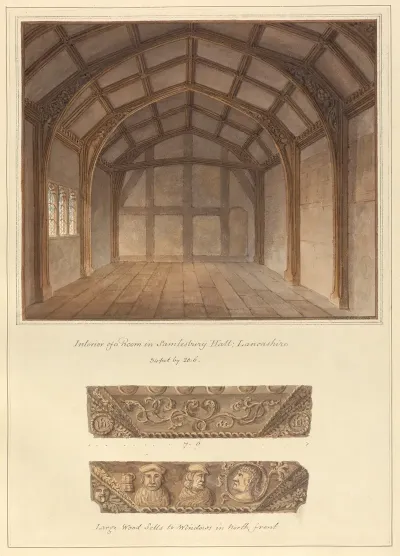
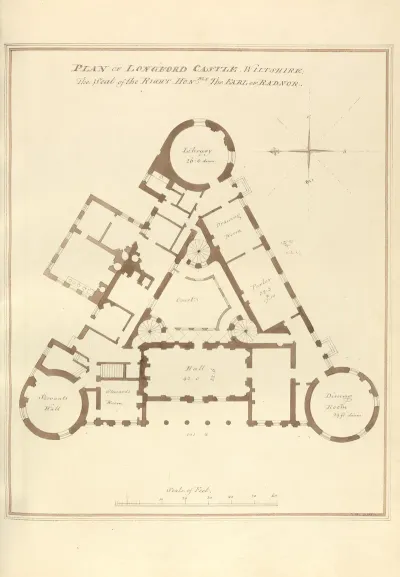
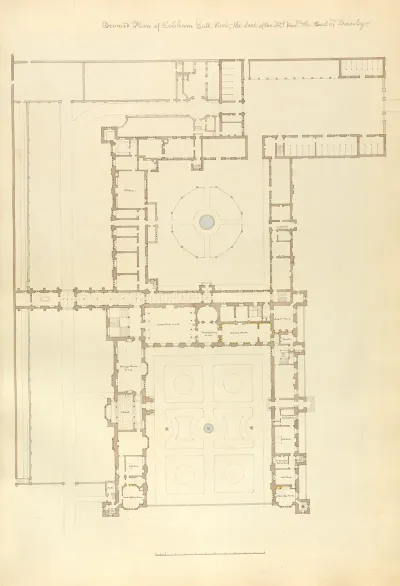
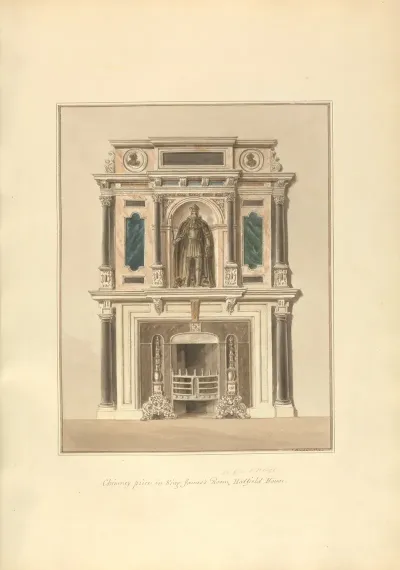
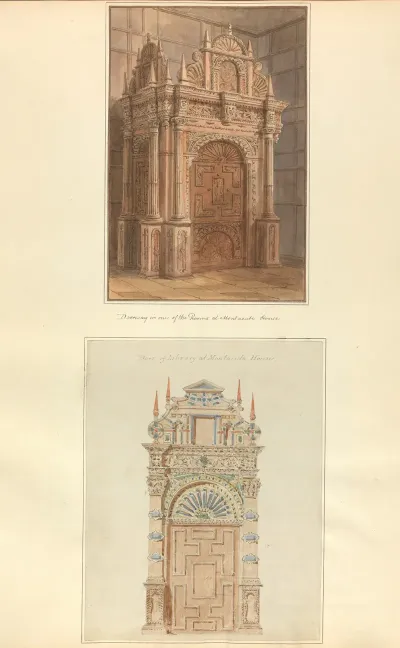
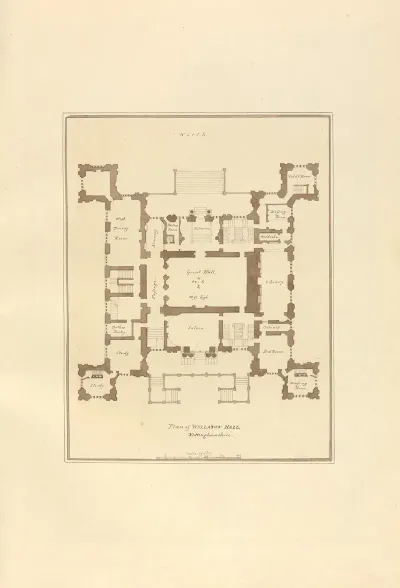
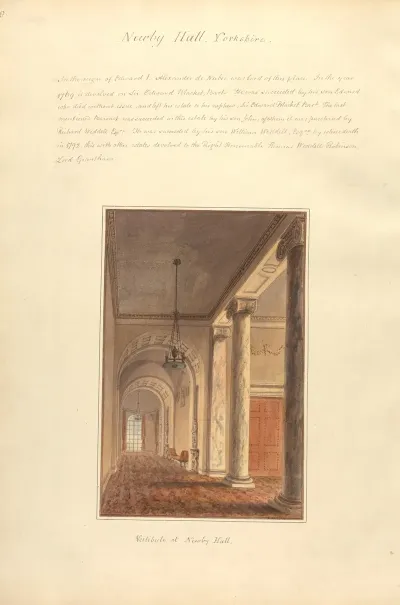
ARTISTThe art and architectural style known in German-speaking countries as Neo-Gothic or Neo-Gothic is known as the "Gothic Revival" in Great Britain, the country where it originated. It is characterised by the imitation of medieval forms in the design of buildings from the 1720s onwards. The best-known buildings from this period in the British Isles include the castle-like country house "Strawberry Hill" by the founder of the "Gothic Novel" Horace Walpole near Twickenham in south-west London, the world-famous "Big Ben" bell tower at the Palace of Westminster, designed by Charles Barry, and the cathedrals in Southwark, Nottingham, Newcastle upon Tyne, Ramsgate, Enniscorthy and Killarney in Ireland, designed by Augustus Welby Northmore Pugin. Other English and Scottish architects equally involved in the artistic development of the style were a href"/artist/George-Gilbert-Scott.html" class"main_link_std"George Gilbert Scotta as the spiritual father of Exeter College Chapel and John Loughborough Pearson (Bristol and Wakefield cathedrals) as well as James Gillespie Graham (Edinburgh and Glasgow cathedrals) as the most important representative of the "Scottish Baronial" regional style.rnbr/br/rnThe British artist and occasional architect John Buckler (1770-1851) stood out less as an architect of the neo-Gothic or "Gothic Revival" style, but as a designer of numerous neo-Gothic churches and other historic buildings in England who was highly regarded by colleagues and clients for his creative skills. Born in the small village of Calbourne, not far from the west coast of the Isle of Wight off the south coast of Great Britain, he began working at the tender age of just 15 as secretary to the administrator of the renowned Magdalen College in Oxford and spent his entire life managing the college's London properties. This bread-and-butter job secured his livelihood and also gave him quite a lot of free time, which he spent from 1797 onwards making sketches and architectural designs
more