William Alexander
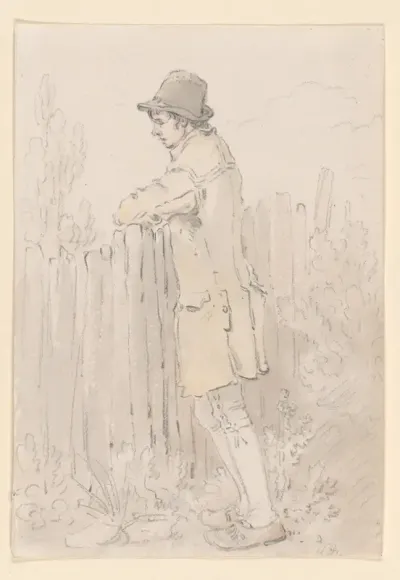
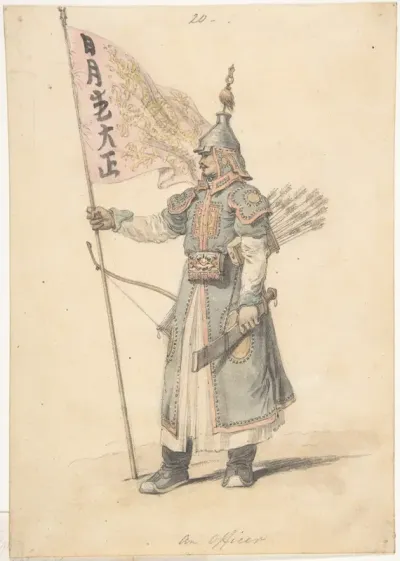
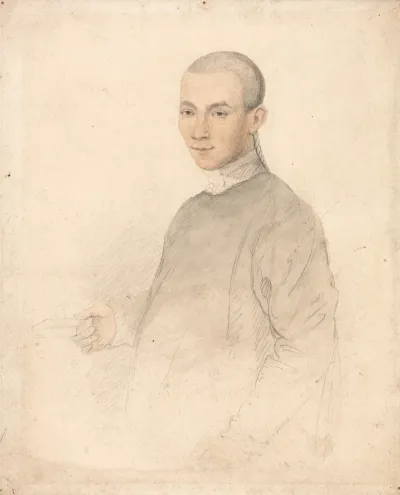
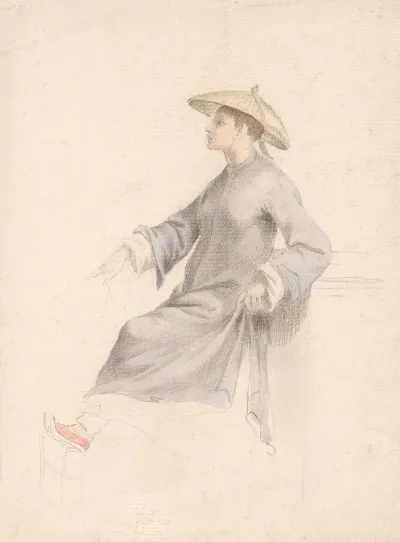
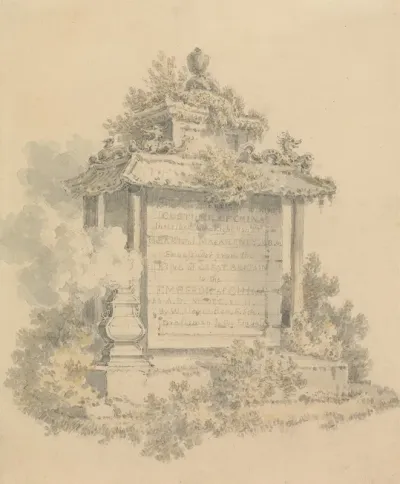
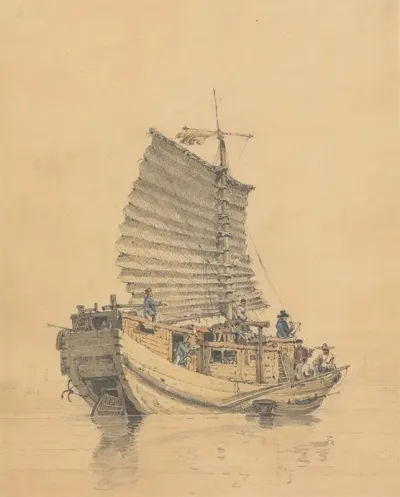
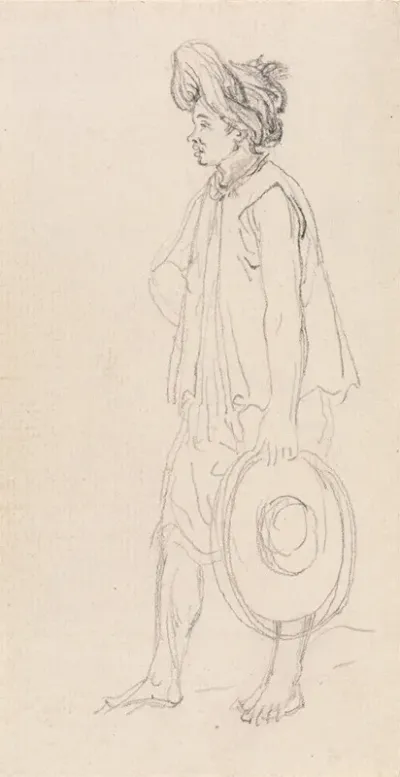
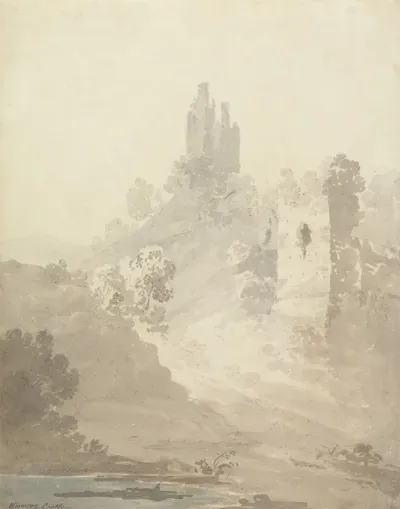
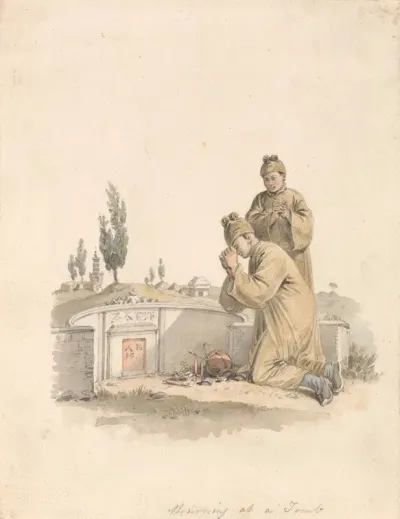
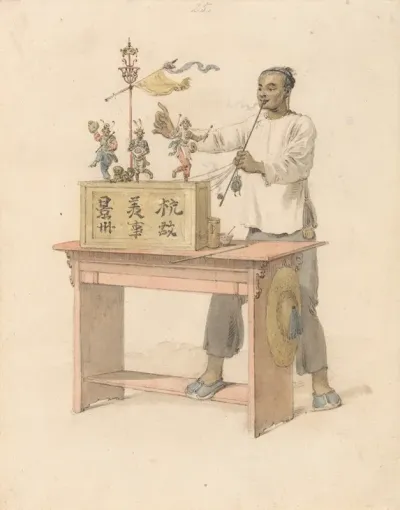
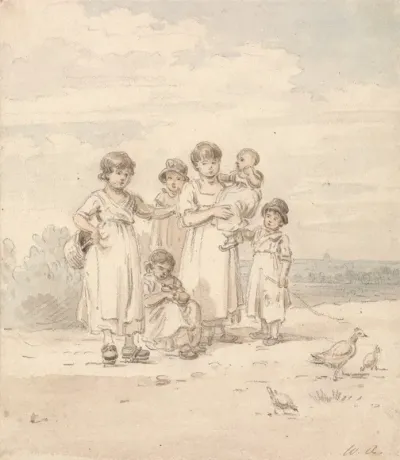
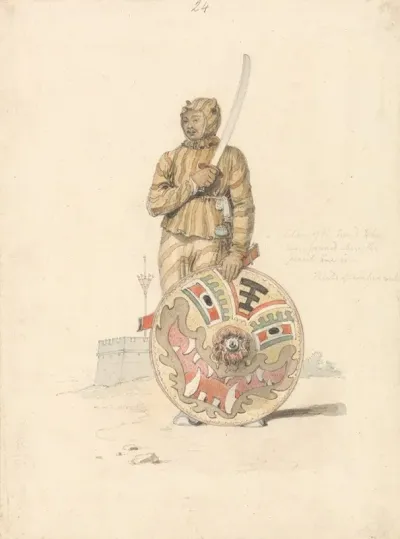
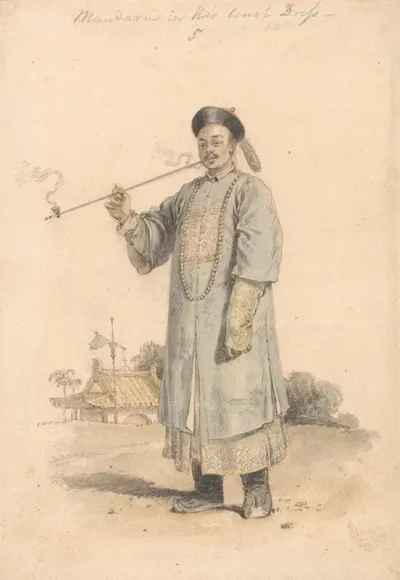
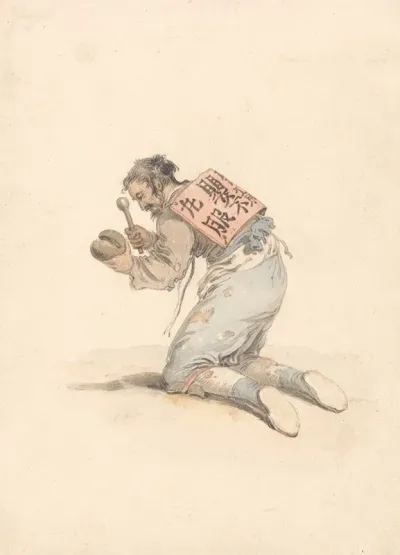
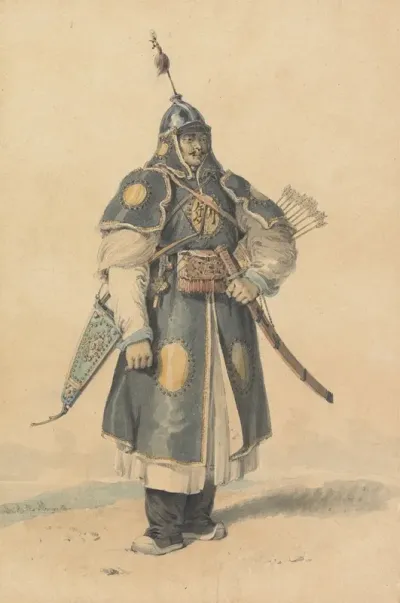
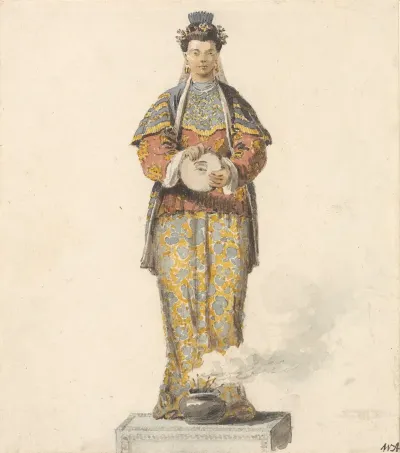
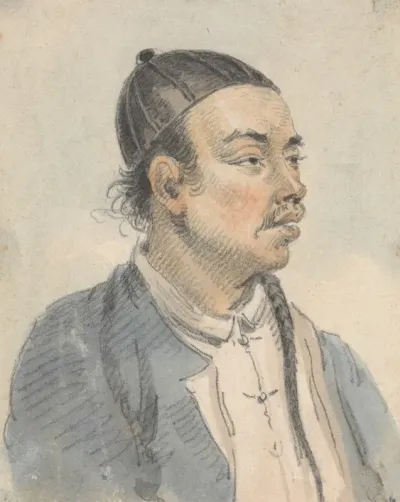
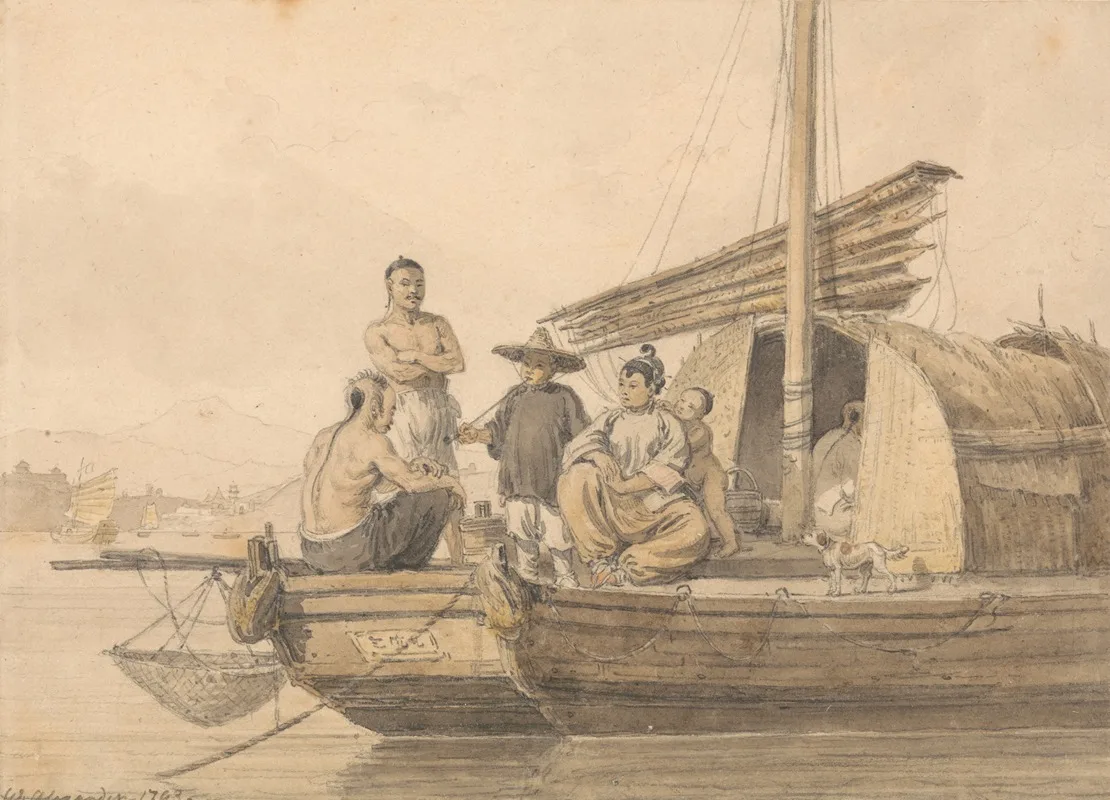
ARTISTThe drawings and illustrations of William Alexander shaped the European image of Chinese culture until the 20th century. China, and especially the Chinese Imperial Palace, became places of longing on the one hand, and on the other hand the targets of concrete economic hopes. The strangeness of Chinese culture fascinated Alexander's contemporaries, and many hopes for unimaginable economic profit in the Middle Kingdom captivated the imagination. The projections lived from the mysterious that surrounded Chinese culture. Little information reached Europe, as the empire shut itself off from the outside world and looked with contempt at the rest of the world. In 1792, a British government expedition set out for the Forbidden City with the aim of moving the Middle Kingdom to the British Empire for trade relations. The 25-year-old budding draughtsman and painter William Alexander was given the chance of a lifetime and was commissioned as assistant to the painter Thomas Hickey to provide artistic guidance for the expedition. Williams had been selected for an art education in London at the age of 15 because of his talent and had attracted the attention of the royal court painter and president of the Royal Academy Joshua Reynolds at the Royal Academy Schools. He accompanied the art education of the young student and supported him. On Reynolds' recommendation, Williams was finally accepted into the artistic staff of the political expedition to China.
more