Gallery-wrapped, ready to hang
Stretched over a 38 mm (1.5 in) bar and delivered stretched — there is nothing to assemble and no separate frame to buy.
View all artworks by Rogelio De Egusquiza→
| Artist | Rogelio De Egusquiza |
| Year | 1880 |
| Category | Figurative |
| Style | Impressionism |
| Color | Brown |
| Resolution | 2640x4016 |
| Orientation | Portrait |
| File Type | High-resolution JPG |
| Source | Public domain, restored by Archive Lane |
| License | Personal & commercial use, no attribution required |
| Delivery | Instant digital download |
| SKU | 101367 |
Instant digital delivery.Download the original high-resolution file immediately with your membership — no shipping, no waiting.
This public domain artwork is offered as an original high-resolution digital download.
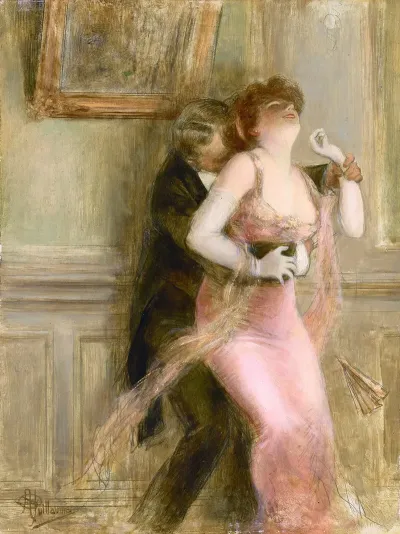
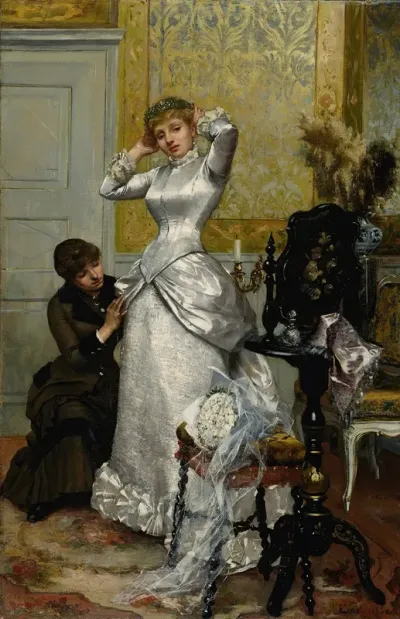
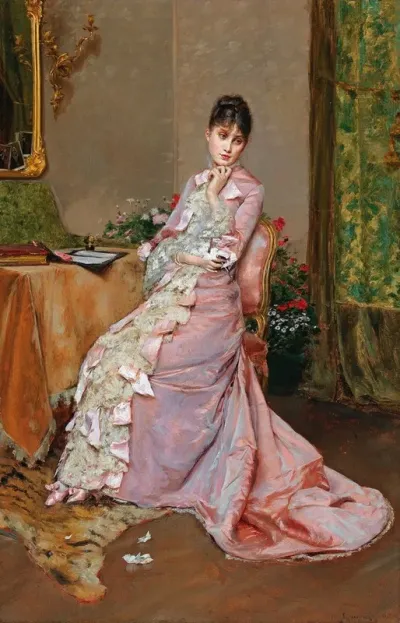
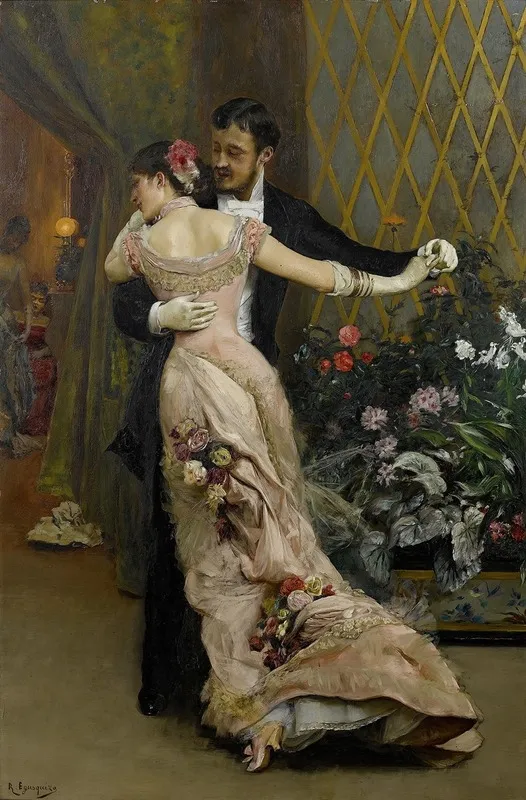
The End Of The Ball is a public-domain artwork by Rogelio De Egusquiza (1845–1915), dated 1880. The artist is catalogued as Spanish. The high-resolution file measures 2640 × 4016 px. You will find it among Figurative, Impressionism, Elegant and Dance, in portrait format. Archive Lane holds 7 works by Rogelio De Egusquiza, a Spanish artist.
Rogelio de Egusquiza y Barrena was a Spanish painter, known for his friendship with the German composer Richard Wagner, whose works he helped make familiar in Spain.
Biography adapted from Wikipedia (CC BY-SA 4.0). All works by Rogelio De Egusquiza →
The End Of The Ball is free to preview at web resolution. The original high-resolution file is a one-time purchase, or included with an Archive Lane membership (up to 1,000 high-resolution downloads per day).
Stretched over a 38 mm (1.5 in) bar and delivered stretched — there is nothing to assemble and no separate frame to buy.
The outer strip of the artwork is mirrored around the sides, so the full picture stays on the face of the canvas instead of disappearing around the corner.
A heavy 400 gsm canvas with a matte woven surface. There is no glass in front of it, so the print stays readable from any angle and in any light.
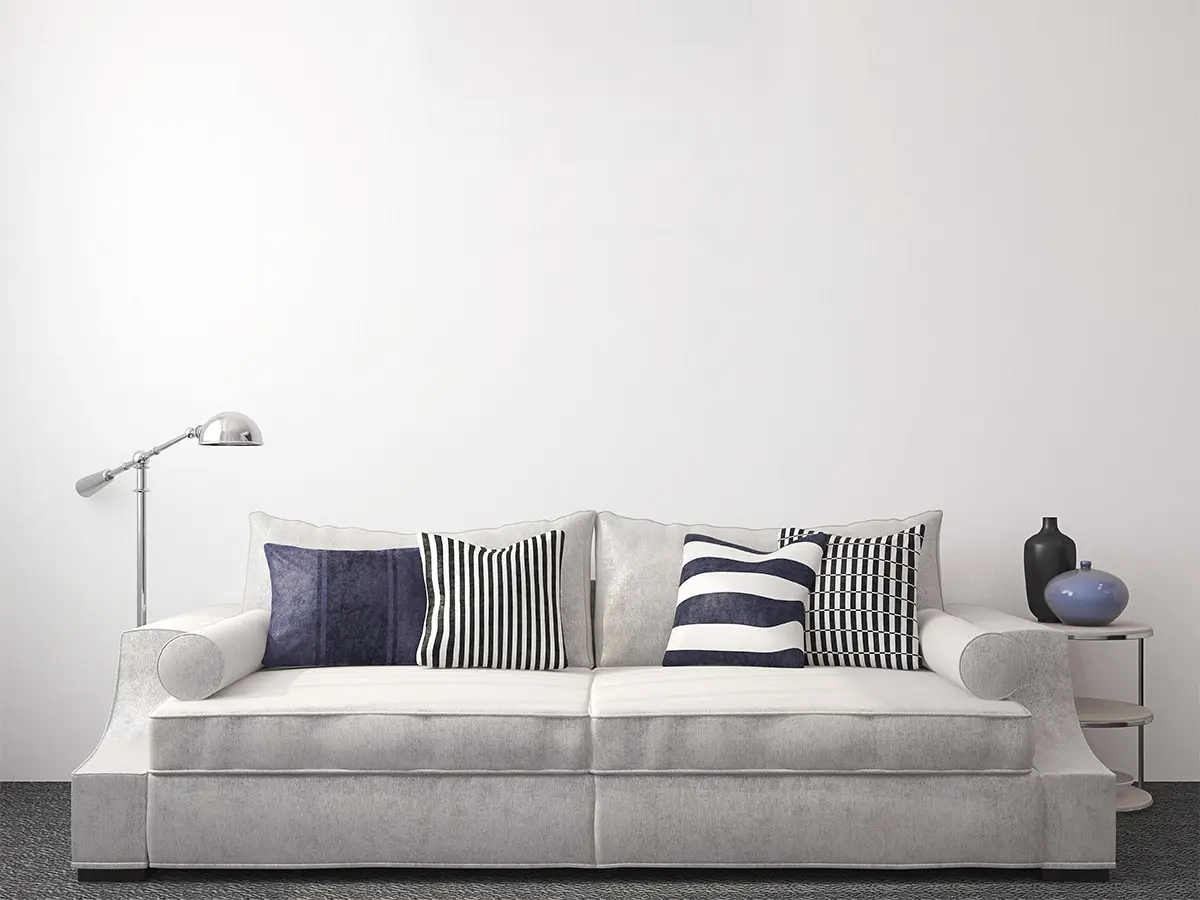
Every room view above is drawn to the real scale of the size you selected, measured against the furniture in the photograph — so the wall space is a fair estimate, not decoration.