Albin Egger Lienz
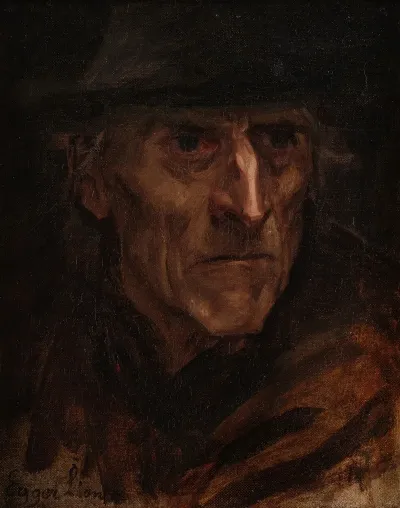
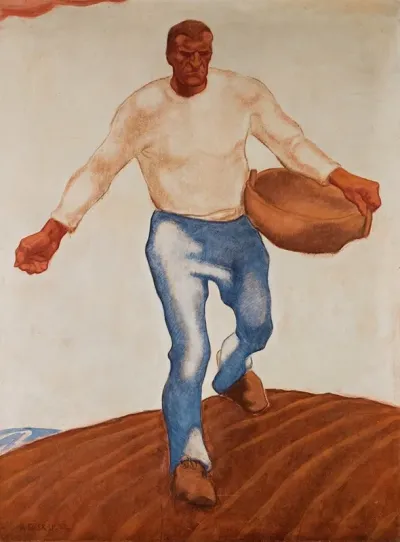
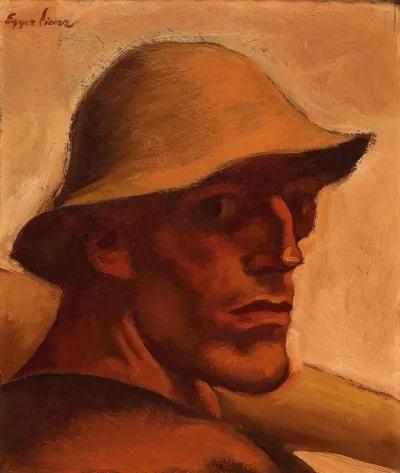
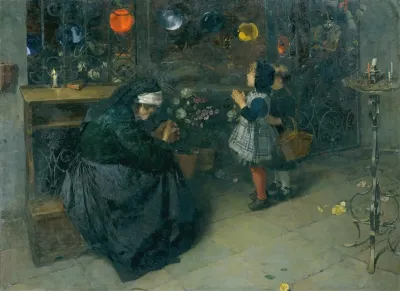
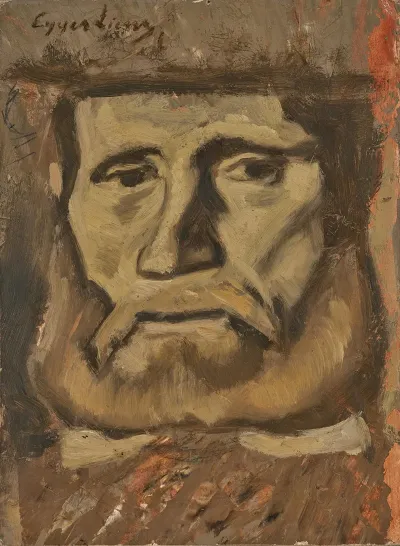
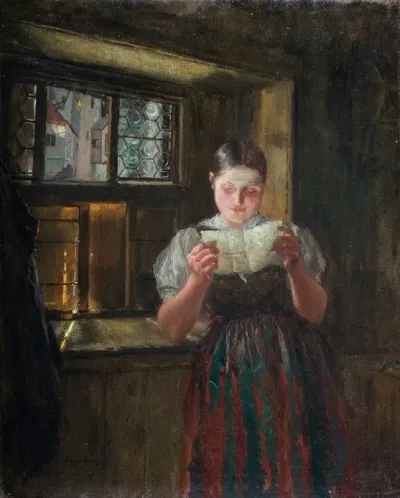
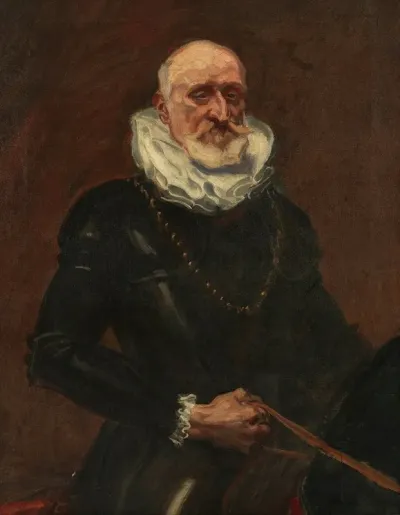
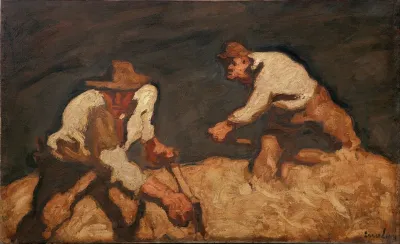
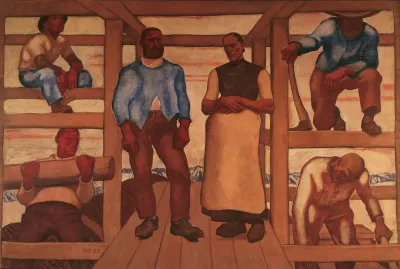
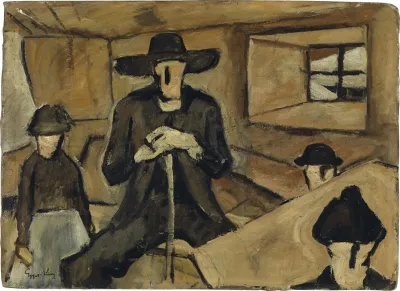
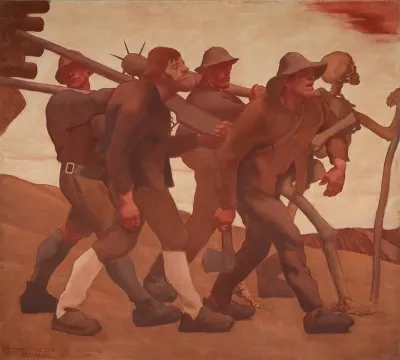
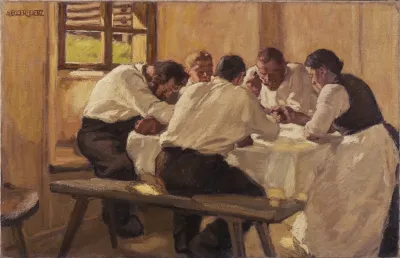
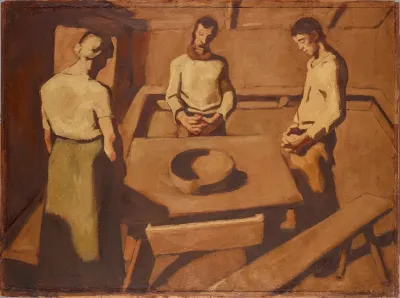
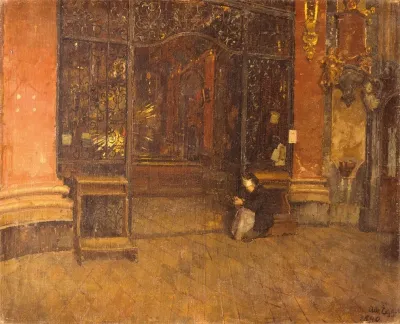
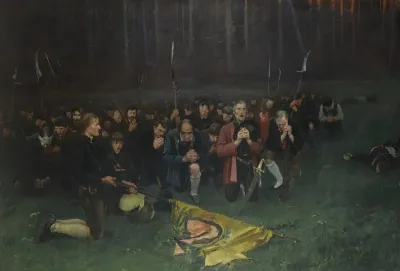
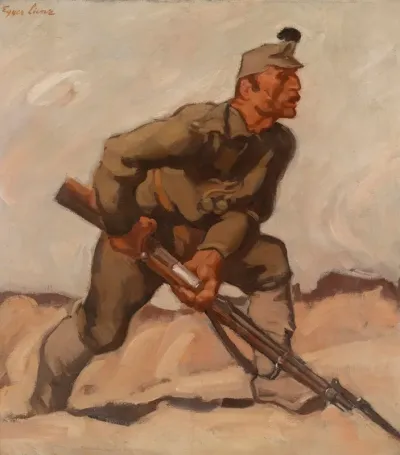
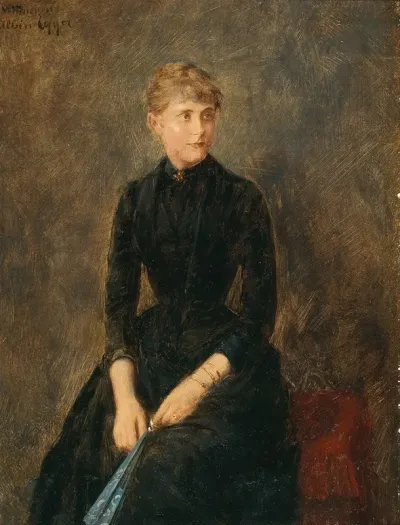
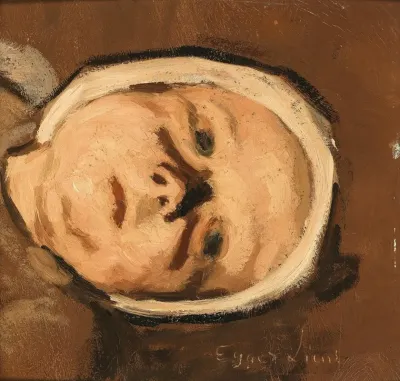
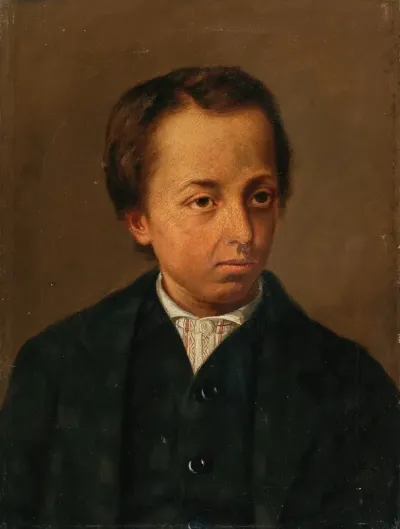
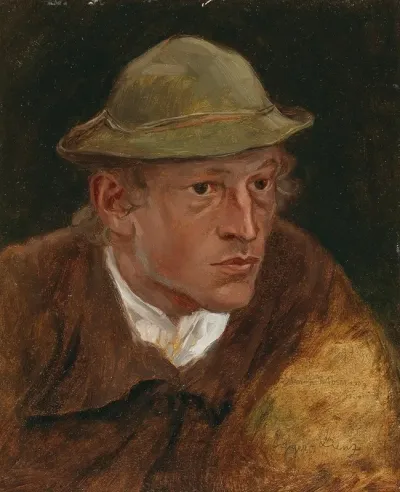
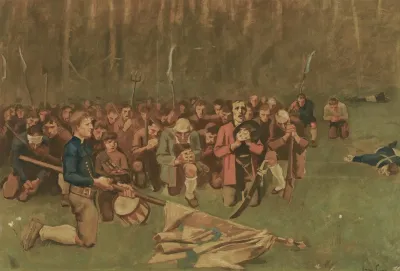
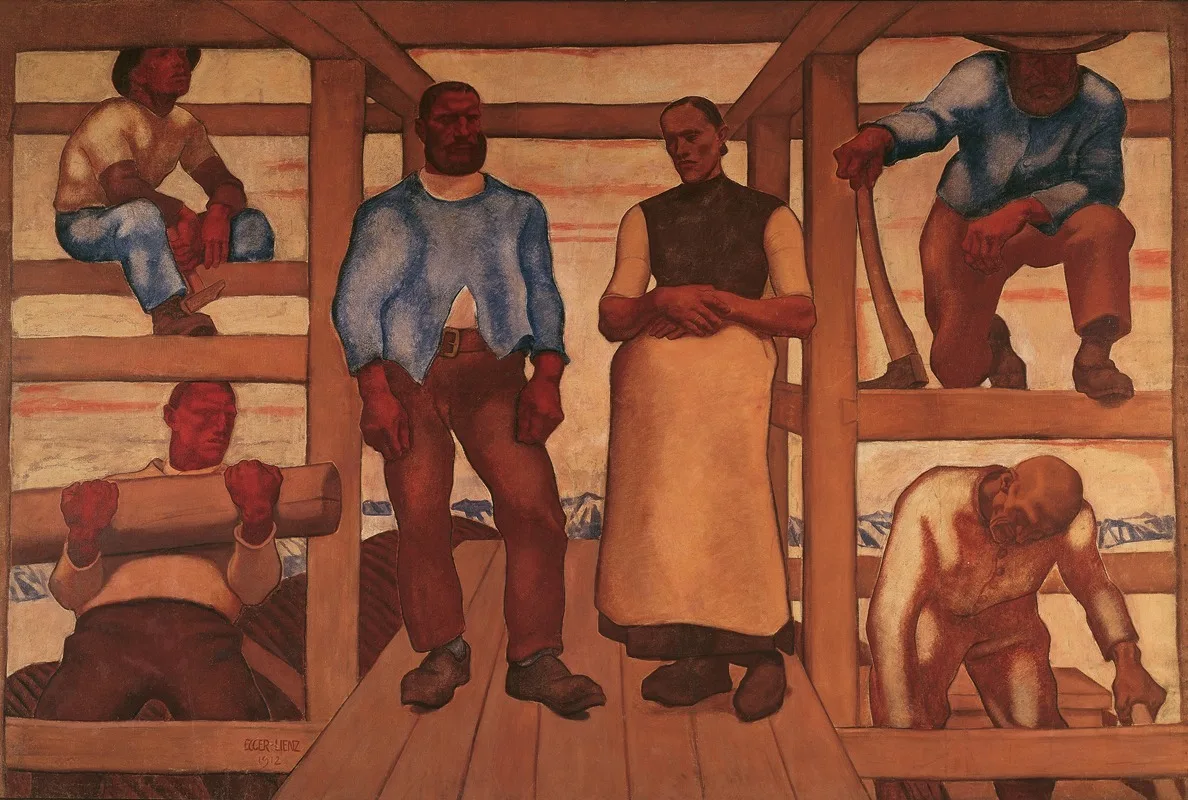
ARTISTThe example of the painter Albin Egger-Lienz shows how the course of a person's life can influence artistic representation. Born in East Tyrol, he devoted himself to painting at an early age, taught by his father, a church painter and photographer. It was thanks to his father's connections, but also obviously to his artistic talent, that he was offered a place at the Munich Academy of Fine Arts at the age of 16. Influenced by the principles of historicism, at the end of the 19th century themes with heroic depictions, but also love of nature and homeland, determined the painting. Embedded in this scenario, Egger-Lienz produced his first artistic works. The views of his Tyrolean homeland offered him plenty of motifs. He oriented himself to Franz von Defregger who painted portraits and scenes from the Tyrolean peasant milieu, but also followed his teacher Wilhelm von Lindenschmit with his heroic and religious pictorial themes. Thus, man was soon the focus of the young painter as a motif, as an individual with characteristic features in the environment of a laborious and deprived rural life.
more